Skip links
Selected examples

Reflections on exhibition spaces

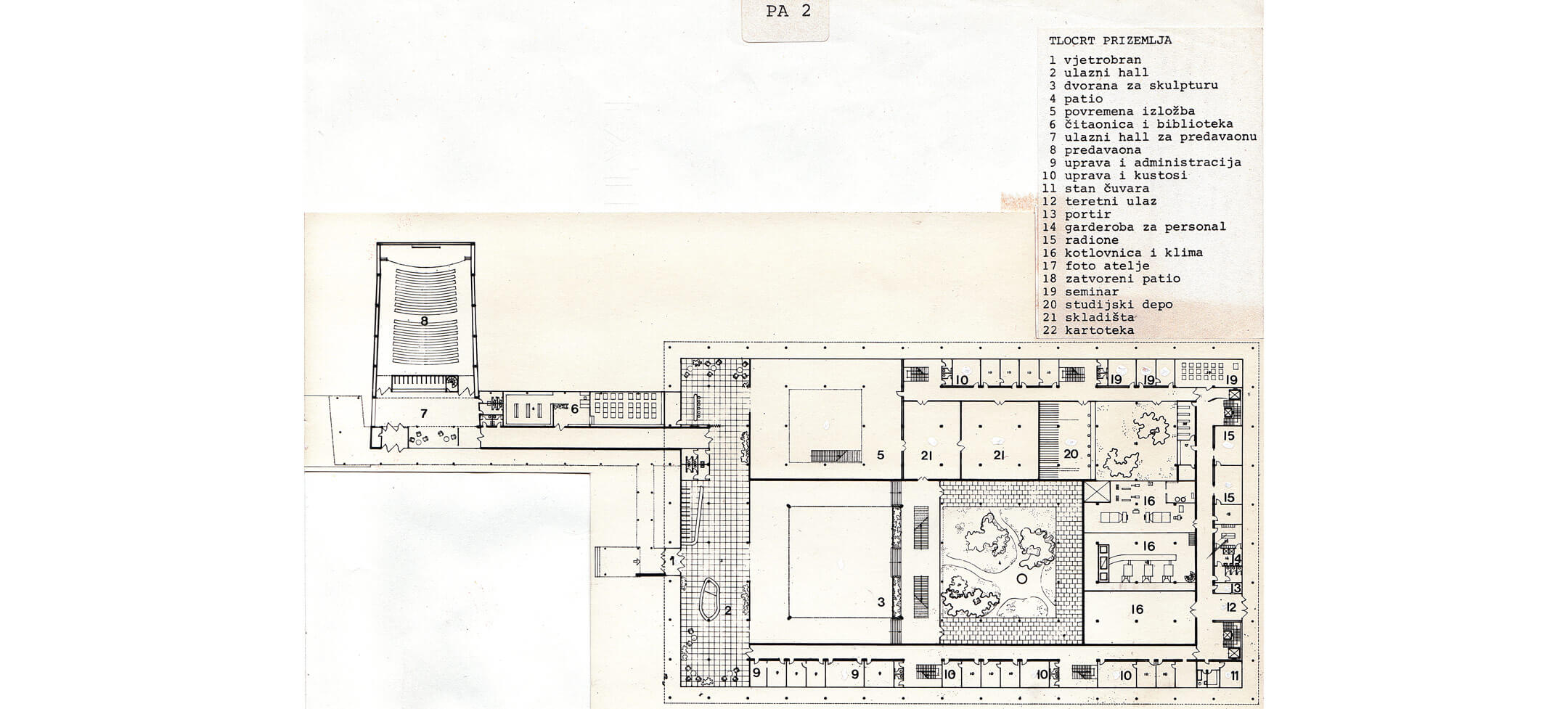
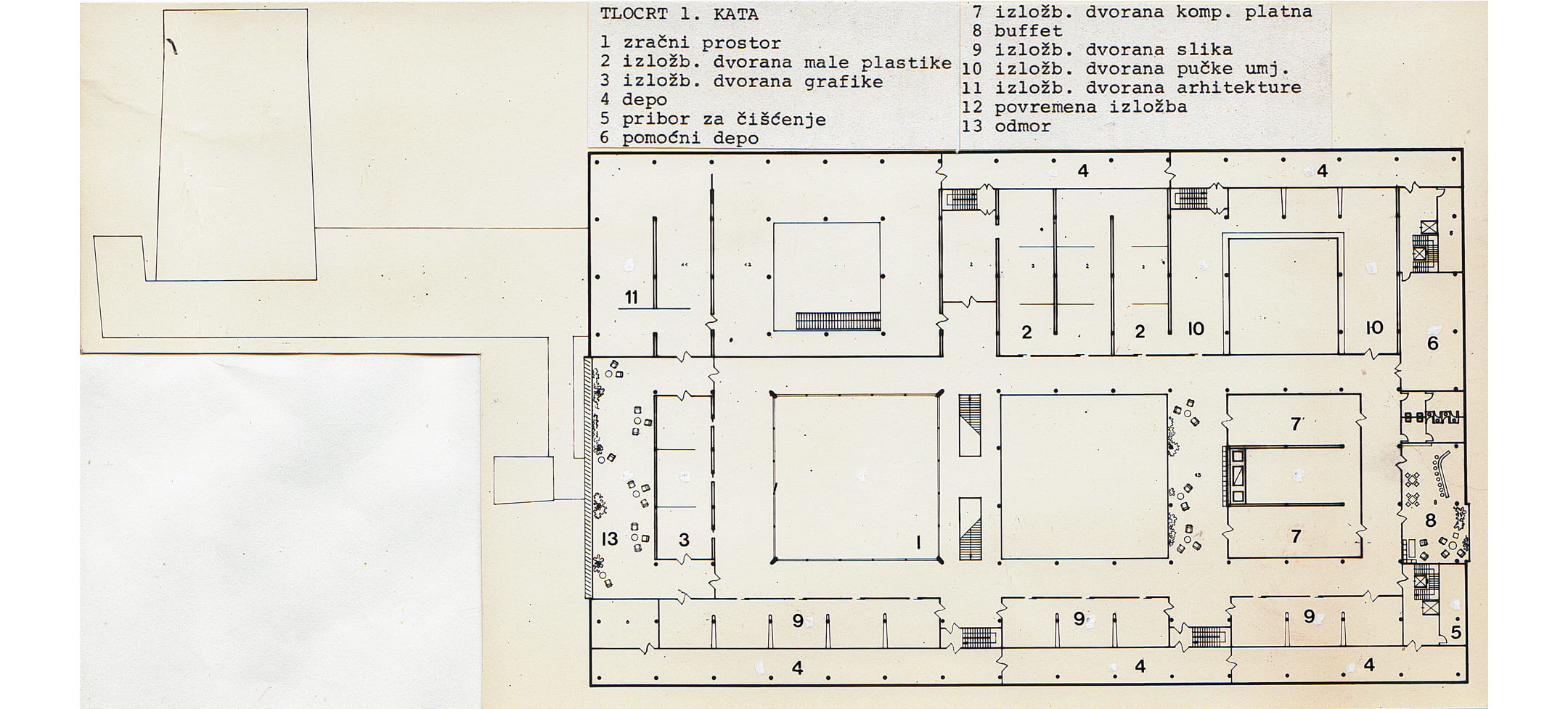
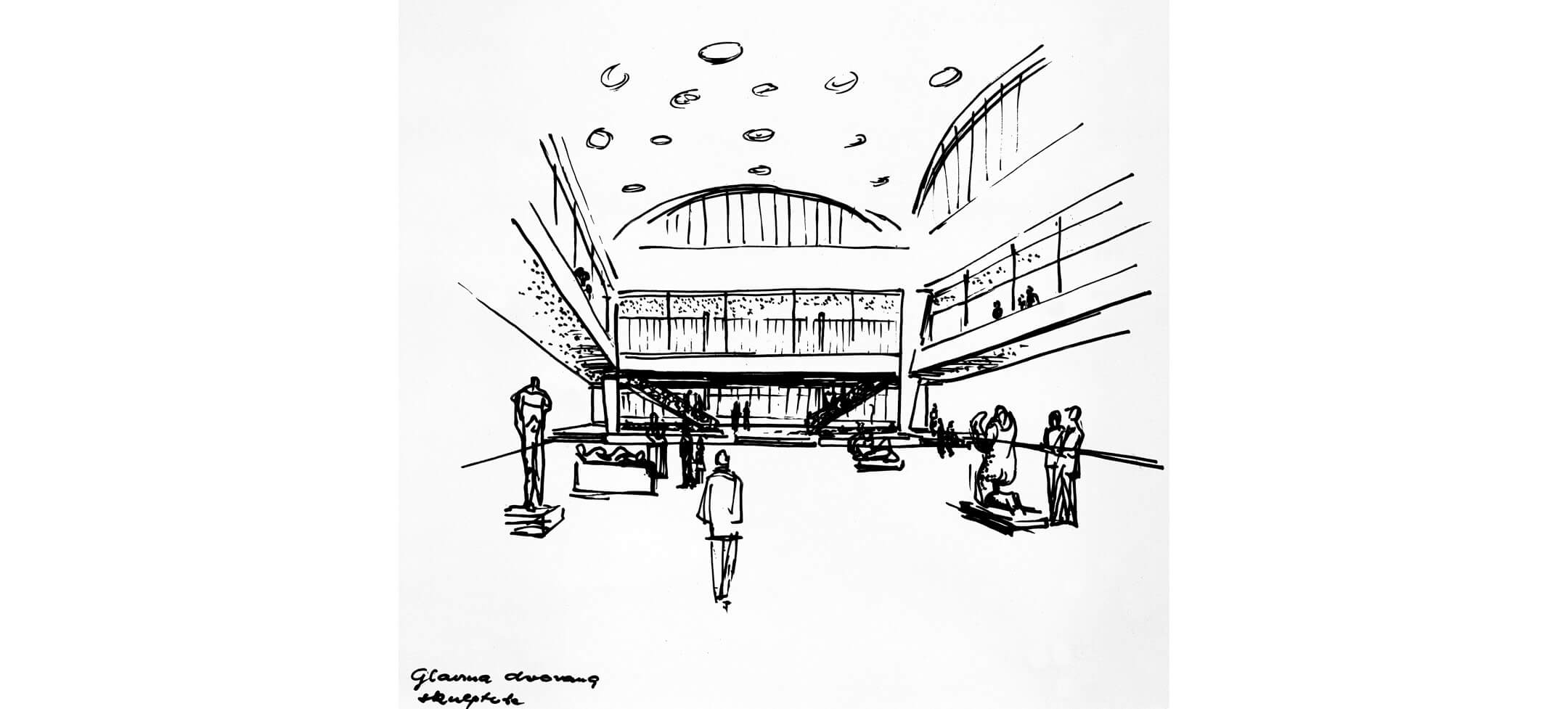
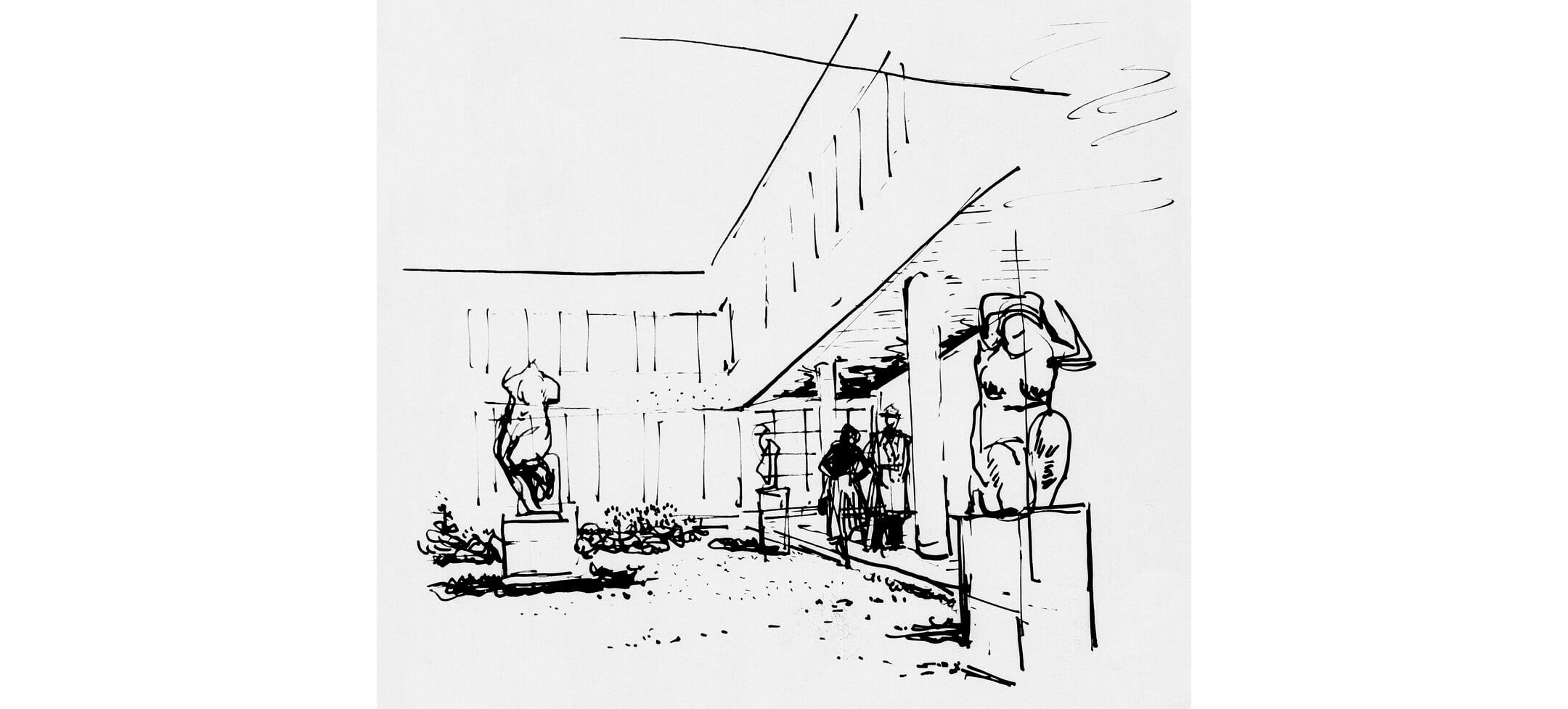
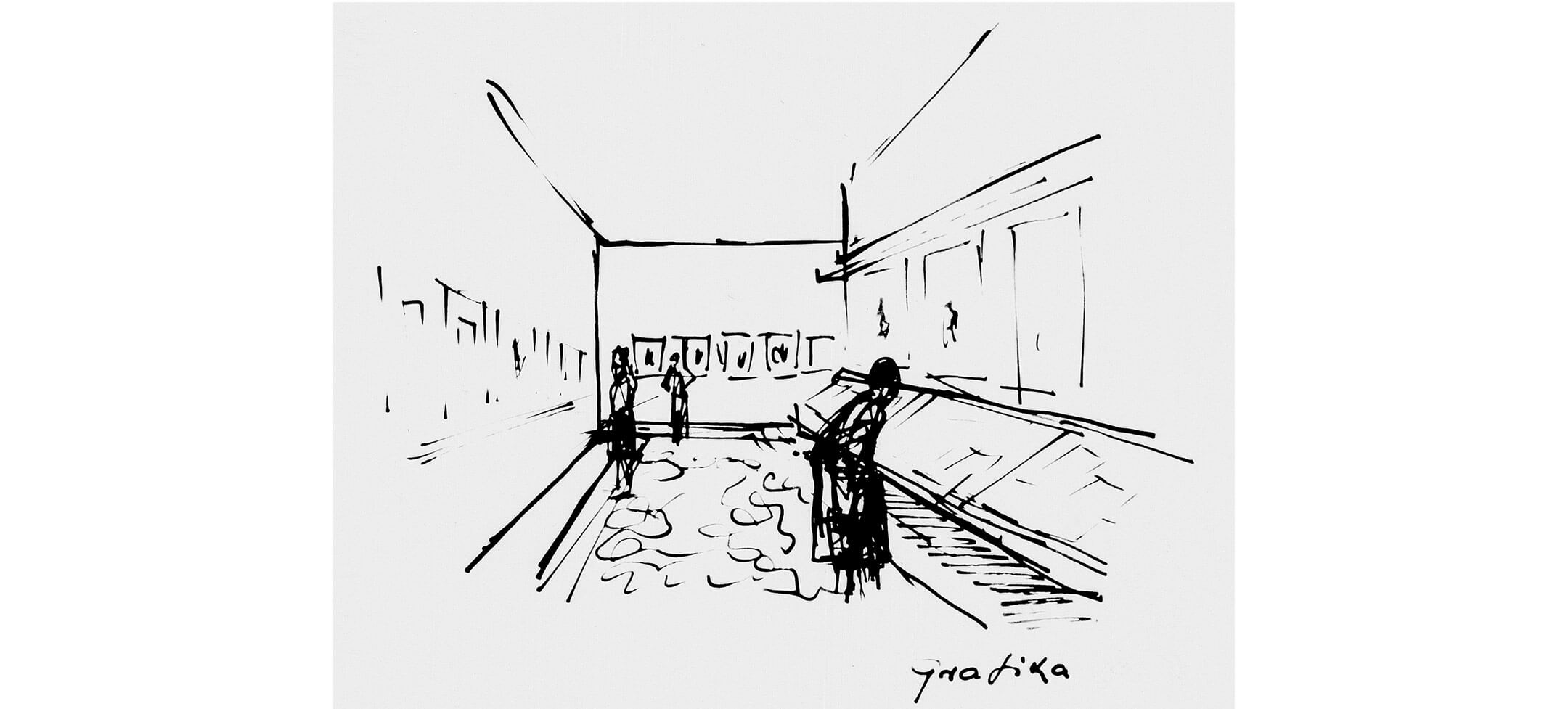
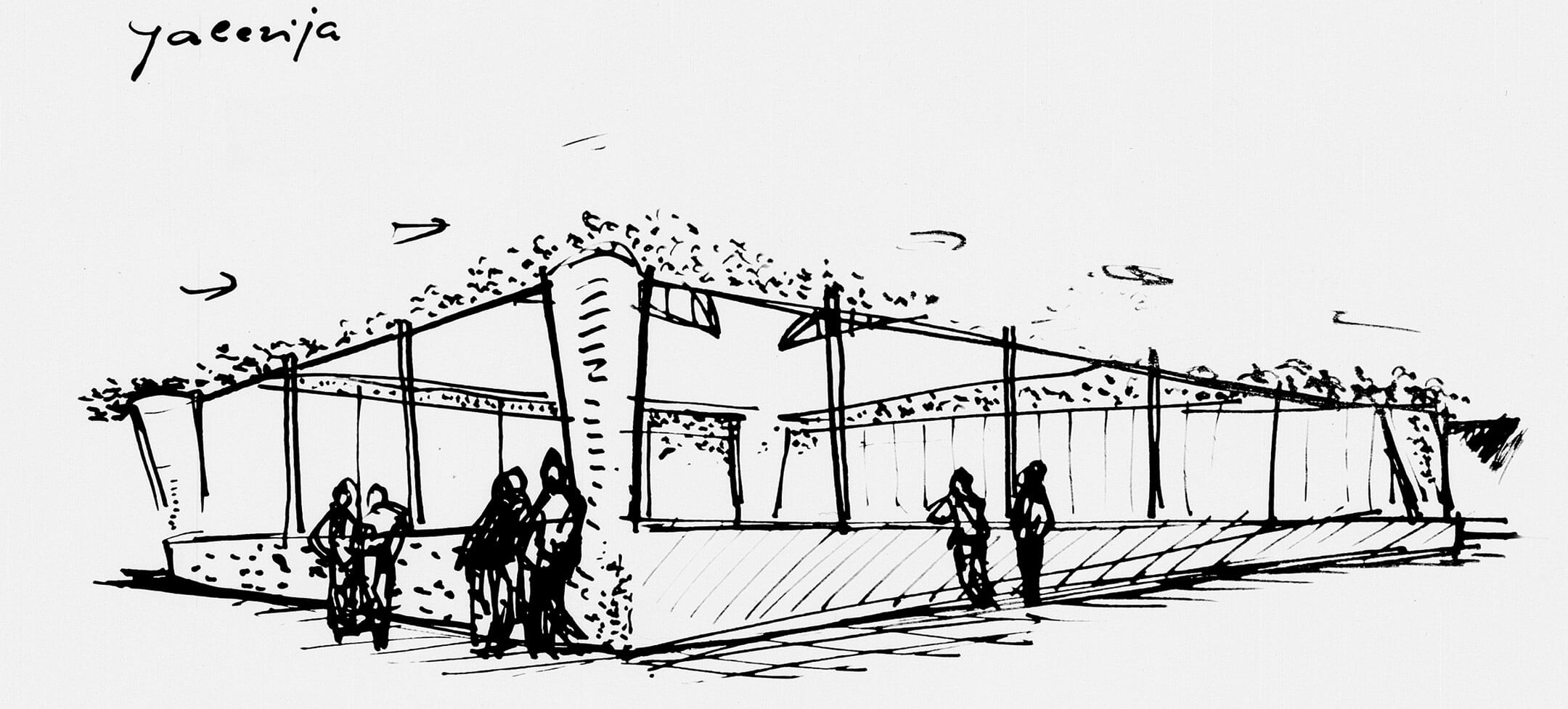
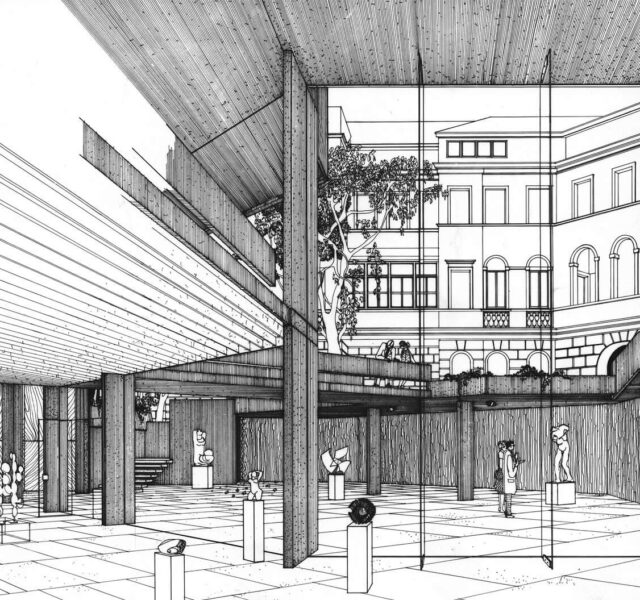
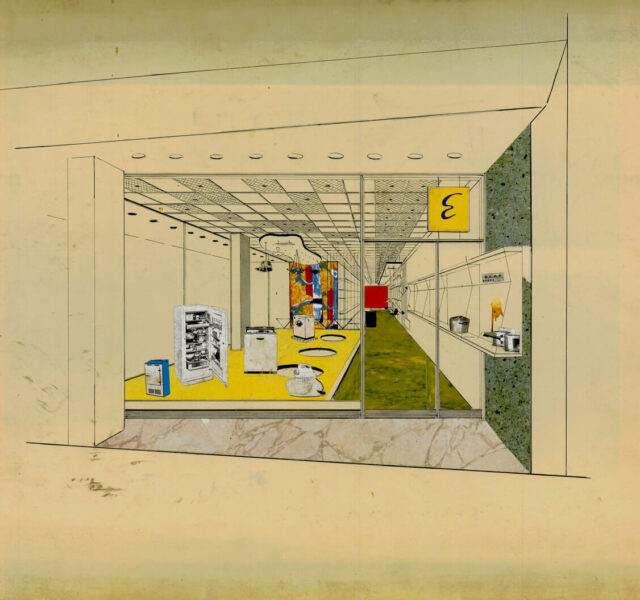
This exhibition presents several select examples of Begović's architectural work, providing insight into the author's life-long interest in the design of exhibition and presentation spaces. It all began in 1952 with his thesis on the architectural design of the Modern Art Gallery in Zagreb on what was then Proleterske brigade street.

Design for the Modern Art Gallery in Zagreb: graphics and sculpture exhibition on the patio, perspective view

(Master's thesis; Faculty of Engineering, University of Zagreb, 1952)

main hall /01

1st floor /02

perspective view /03

perspective view /04

perspective view /05

perspective view /06


main hall
1st floor
perspective view
perspective view
perspective view
perspective view

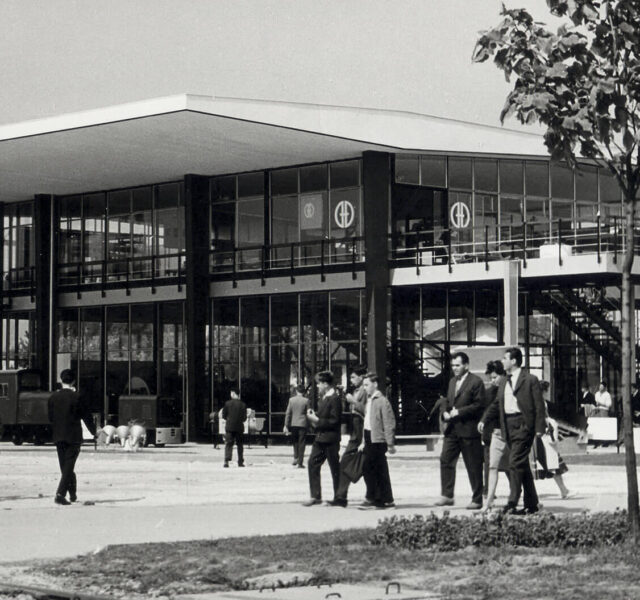
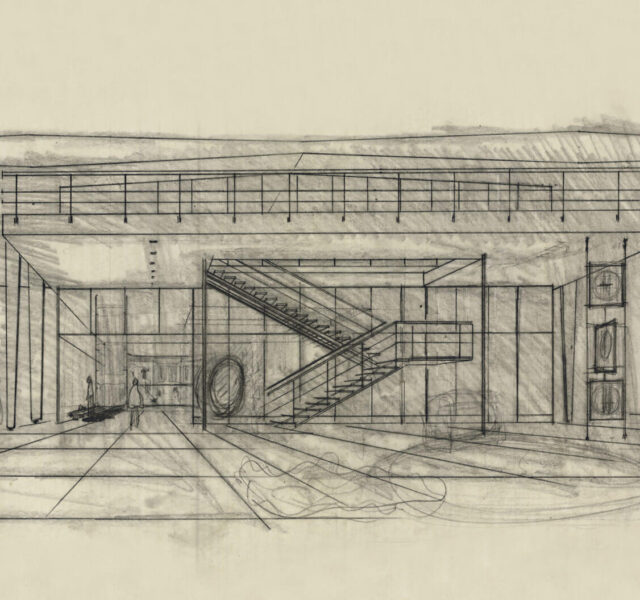
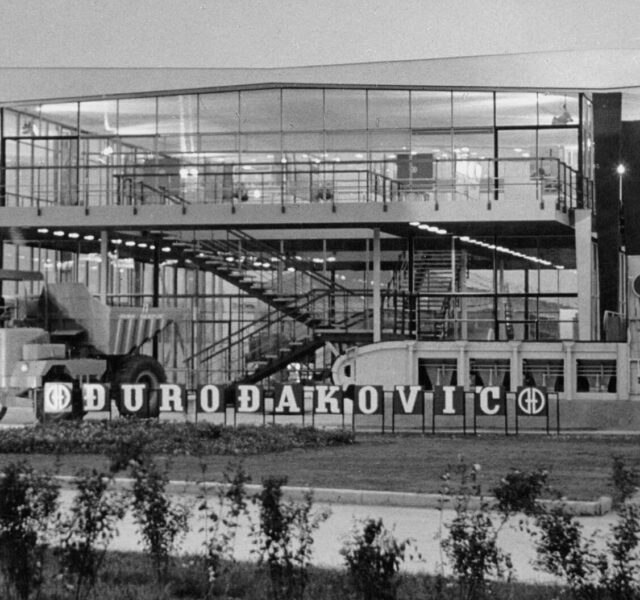
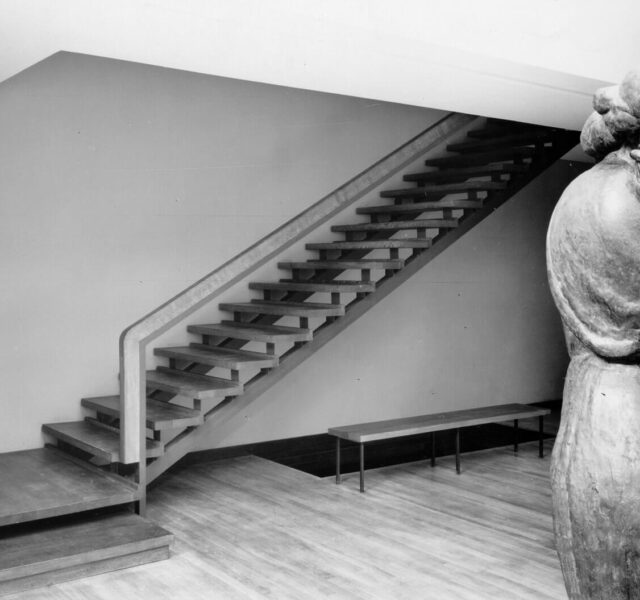
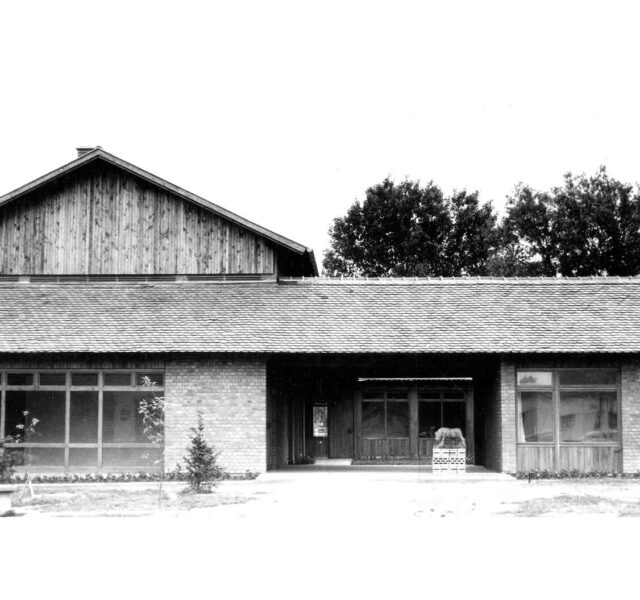
The beginning of this thematic series was brilliantly marked by his Đuro Đaković factory exhibition pavilion at Zagreb Fair in 1961, followed by his adaptation and interior design of the Meštrović Atelier at 8 Mletačka street in Zagreb. Here, Begović took careful account of the historical identity of Zagreb's Upper Town buildings, designing spatial and functional interventions that respected the atmosphere of Meštrović's living space and artwork. Begović belonged to a group of architects who associated with numerous visual artists, including painter Krsto Hegedušić. During the boom of naïve painting around Hegedušić's village of Hlebine in the 1960s, Begović took on the design of the Naïve Gallery, into which he introduced motifs, proportions, and materials from local architecture and the world of naïve art as an expression of a new regionalism. He defended his doctoral dissertation entitled The development and perspective of art museum architecture", based on his experience on projects tied to the museum scene, at the University of Zagreb's Faculty of Architecture in 1980. His considerations encompassed two segments: research into the genesis of the social conditions influencing the creation of museums and the architectural conception of museums in the past, and the crisis of concept of the art museum in modern society, leading to his conclusion suggesting an architectural concept for art museums for modern needs.

Selected examples

Explore
Drag